

Navigating River Crossings: Ensuring Safety Before You Wade
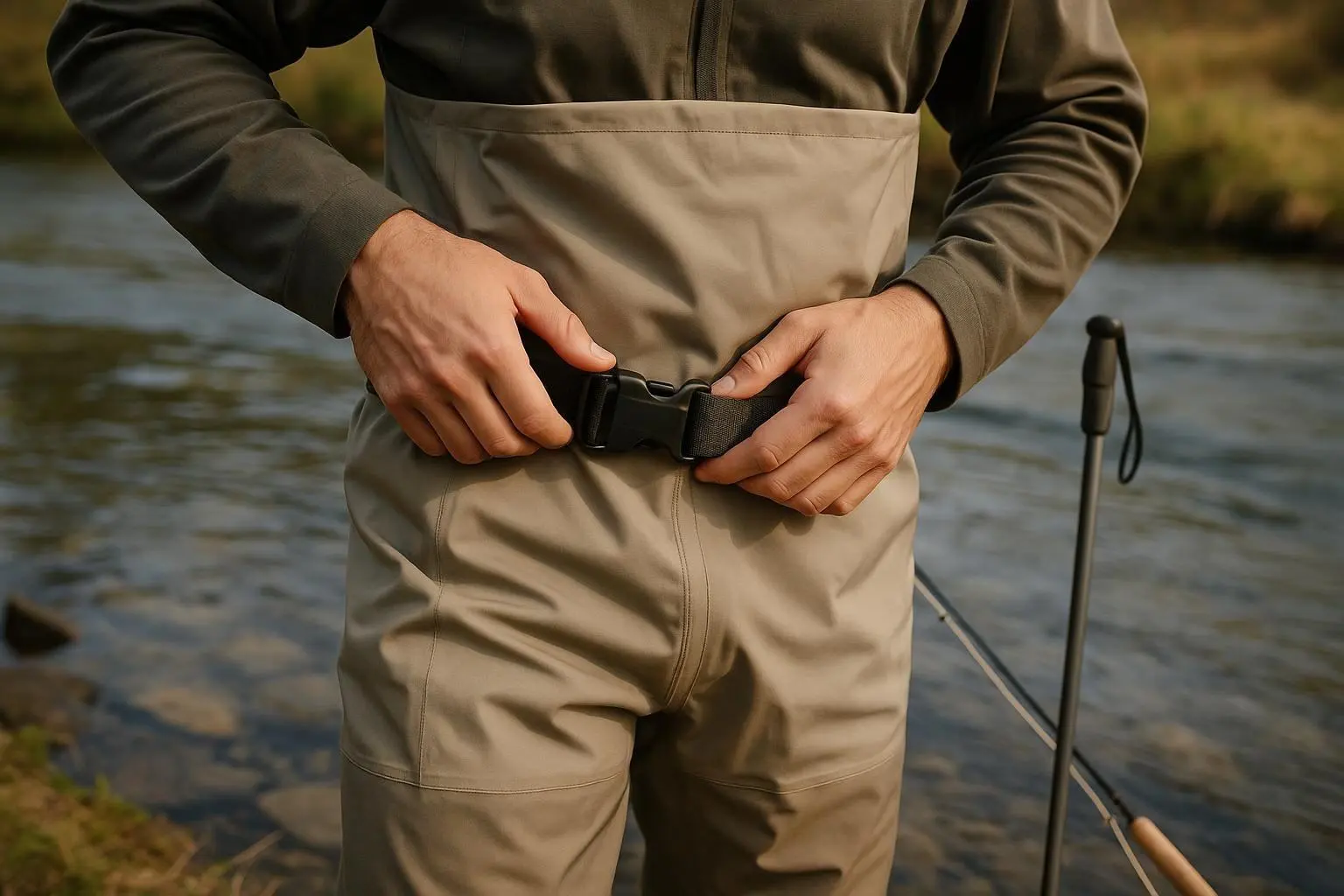
Wading through rivers can seem easy. Wading through rivers needs attention to stay safe and have fun while fishing. One important tool that people often forget is the wading belt. The wading belt should be tied tightly around waist. The wading belt helps keep you safe when water changes suddenly. If the wading belt is not right wading belt can be dangerous, in moving water. Every time you cross a river river should be a decision you make carefully. You need to think about getting to the side. The dangers that come with river.
Observing River Conditions Pre-Crossing
Before putting on waders look at river from a spot on shore. Watch how water moves. Look for foam or bubbles. Foam or bubbles can show currents. Just because a part of river looks shallow does not mean it is safe. Hidden currents can quickly push you off your feet.
Also think about how you go into water and how you leave. Entering water might not be hard. Entering water can be very dangerous if other side is steep or if carrying fishing gear. If you can not get out of water easily maybe it is better to fish from bank. Weather can change quickly after rain. When snow melts. Always be careful. Do not just trust weather forecast. Follow others without thinking.
Ensuring Proper Fit of Your Wading Gear
The way wading gear fits is very important for safety. Make sure wading belt is tight so belt does not move when walking on rocks or when falling. A tight belt also stops water from getting into waders. Remember, belt alone is not enough. You still need to be careful.
Shoes are just as important. Different soles, like rubber or those with spikes work differently on rocks, clay or algae. Some places even stop soles to help protect fish. Always check what is allowed. Also dry gear when you need to before going into water.
Using walking stick can help stand. Do not depend on walking stick. Keep one hand free for balance. Always check ground under feet before taking step. Even small mistake can be dangerous.
Assessing Safety as You Cross
When thinking about crossing river think about three things: what's under feet how likely you're to fall and what feelings say. If something feels wrong do not cross. Speed of water is not danger. Even water that is knee-deep can be very risky if losing balance. Narrow parts of river with stones can be especially dangerous because you might slip.
Before stepping into water use stick or feet to check riverbed. Loose rocks mean ground is not safe. Look for dangers like fallen trees or rocks that're under water. Also think about what happens if falling. Falling in water is different from falling near shore. Always tell someone where you are going and make sure you can get help if you need it.
Finding Safer Routes
When going across river to spot look for ways. Trout often live near edges or in places where you do not need to go into water. Staying close to bank makes you safer. Also helps protect environment.
Catch and Release Best Practices
When catching and releasing being ready is important. Have net by. Use tools for fish and water. Handle fish gently. Do not touch fish on places. Wash hands before touching fish to keep fish coating.
Do not keep fish out of water for long. Keeping fish out can hurt fish. Never put yourself in danger for one fish. It is not worth it. If place feels unsafe accept that some fish will stay in water.
Make sure you know rules for catch and release. Rules, about tools you use can change depending on where you're what time of year it's
Final Safety Reminders
Before you start your fishing trip check everything especially if the river has changed since you were last there:
– Check the fishing rules. See if any areas are closed.
– Make sure the wading belt is tight and check the boots, stick, net and phone.
– Plan, than one way to enter and exit the water.
– Watch for currents that float objects and for shaky ground.
– If wading is risky fish from the bank instead.
Taking time to prepare helps make my fishing time, on the river safe and fun.
Whether I fish from the shore I wait for the water level.
I come back another day; being ready is the way to enjoy my fishing time and keep the river healthy for others.