

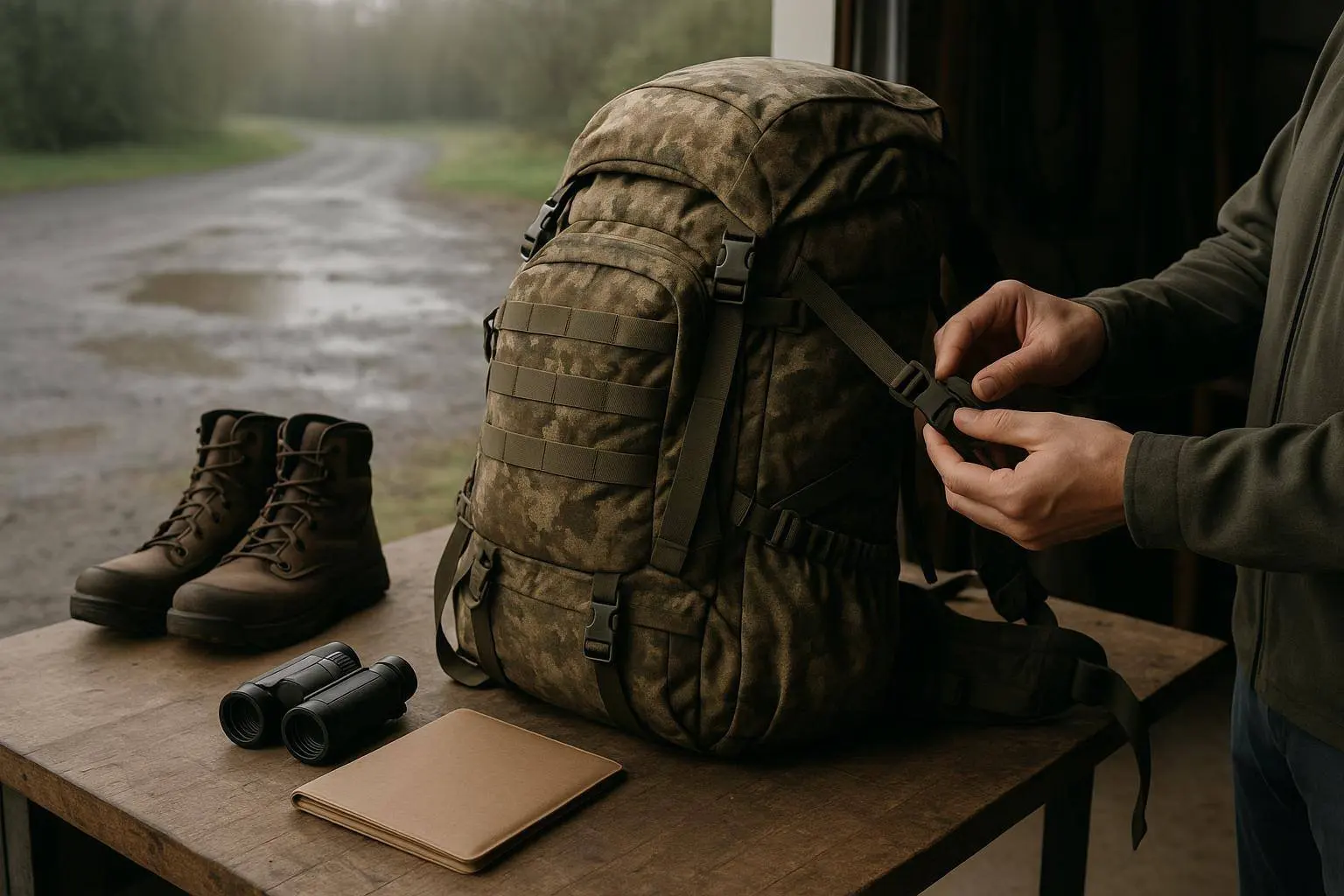
The part of getting ready, for a hunt that people often miss is not about buying gear. It is about checking the things that can break without making noise: a rangefinder with a battery a permit that has run out a path through land that is now closed or clothes packed for a forecast that is not what the weather is actually doing. Good planning helps reduce last-minute choices, wasted trips and mistakes that could have been avoided. It also gives hunters space to act in a way. Check what can change test what can break and leave gear at home.
Check access and rules before you pack
Start with the rules not with the gear. Rules can be different depending on the animal, the area, the kind of land the weapon or the permit. Make sure you know the current dates for the season what kind of license and tags are needed what methods are allowed, how to report and carry your catch and what is not allowed like bait, vehicles, dogs or electronic tools. Go to the wildlife agency for this information.
Do not depend on a picture or advice from someone who hunts a place. Save the rules on your phone carry a copy that you can read if needed and check if you will have phone service. Fix any confusion about where you can go what the rules are or what is needed to take an animal before you leave. Guessing when you are in the field can get you in trouble cost you a chance. Hurt your relationship with a landowner.
Check if you have permission if gates are open where you can park if there are any times when the area's closed and what the difference is between private land. A route you know might not be open anymore.
Check the gear that can cause problems
Plan your gear around the hunt not around what you want to show off. Choose clothes, boots, tools to see navigation tools, food and the size of your bag based on the land the weather how far you are from your car. How you expect to be out. A light setup is helpful only if it still covers the basics for safety and getting back.
Look at items that're easy to forget: a lens, a loose strap worn out shoes, a bag with holes, flat insulation, old batteries or water bottles that leak. Test your flashlight in the dark not in your kitchen. Make sure your navigation tools have the maps and that paper copies are easy to read.
Check your weapon using legal ways. Make sure it is clean, working and right for the time of year. Then practice shooting from positions at a place. Do not make changes. Think that your last time sighting in is still correct after you have moved it stored it or bumped it. Match your bullets or arrows to your gear and the rules. Throw away anything that is damaged.
Use a list then think through the choices
A list should find what you missed not become another thing to pack. Keep it short enough to use the night and again before you leave.
– Current license, tag, rules and permission to be there
– Phone with power, backup navigation, flashlight and extra batteries
– Clothes for the weather rain gear, water and food
– First-aid items, a way to start a fire and a plan to contact someone
– Tools to see field tools, bag straps and basic car help
– Bags or other ways to handle the animal legally
– A clear idea of how to tell the animal and when it's safe to shoot
Think through the choices that will be hard. Where will you stop if the weather gets worse? How long will you stay? How will you tell someone where you're ? What will you do if you cannot see well the animal is hurt or the way is not safe? A plan does not take away your ability to think. It makes the right choice easier to spot.
Decide on your values before the chance comes
Being a hunter is more than following the rules. Before the season starts decide when you will take a shot and when you will not. This can include making sure you know the animal there is a place behind it you are close to what you can handle. You are sure you can get the animal and take care of it.
Do not let time cost or wanting to fill a tag push you past these limits. If the animal is not clear the background is not right or the animal moves beyond what you have practiced wait. Missing a chance is cheaper than making a hit or having a time finding the animal.
Plan for the minutes after you take the animal. Know what the local rules are for marking, reporting, carrying and showing what kind of animal it is. Have bags and ways to keep the meat cool. Taking care of the meat is part of the hunt not something you do after.
Look at the land without trying to rush
Scouting before the season should help you know more not push you to go to every place. Look at the land, water places to hide how to get there any recent changes and where people or animals might be. Mark places that are dangerous like hills, unstable ground, thick trees and places that might be risky after rain.
The land can change fast. A path in a picture might be covered a water spot might be dry. An entrance could be blocked by fire, cutting, water or cleaning up. Use maps and online reports to plan,. Check the official reports and look around to see what is really going on.
Leave the place better than you found it. Take out any tape, food scraps and packaging. Do not drive where you do not need to respect any rules and do not hurt plants or disturb places where animals rest or nest to get a spot. Being careful is part of being a hunter as much as giving money or saying nice things.
Make a habit after each trip that helps the one
After every time write down what did not work what was not needed and what has changed on the land. Note how long the batteries lasted, what clothes you wore, how water you used how long the trip took, any problems with getting in and if gear was hard to use with hands or gloves. Keep your notes separate from what you think you know; a quiet area might be because of the weather people, the time or luck.
Replace parts before you put everything away. Dry your boots and shelter get rid of smells if needed charge your tools. Put your license or maps back where you can find them. Check the rules before the time not just assume what you wrote before still works.
The end result is not a bag or a sure catch. It is a way of doing things: last-minute buys, surprises with the rules and bad choices when things change. Check the details early practice, within your limits. Let the quality of the hunt include how you treated the land and the animals.